
Guides
EV charger guides.
Practical, jargon-free advice on installing a home EV charger - from understanding your options to finding a trusted installer.

EV charger grant for renters: what you can claim
Renters and leasehold flat owners can get 75% of charger installation costs paid, up to £500. Here's who qualifies and how to apply.
Read guide →
EV charging without a driveway: your options
No off-street parking? A cross-pavement cable channel lets you charge at home. In England, planning permission is no longer required as of October 2026.
Read guide →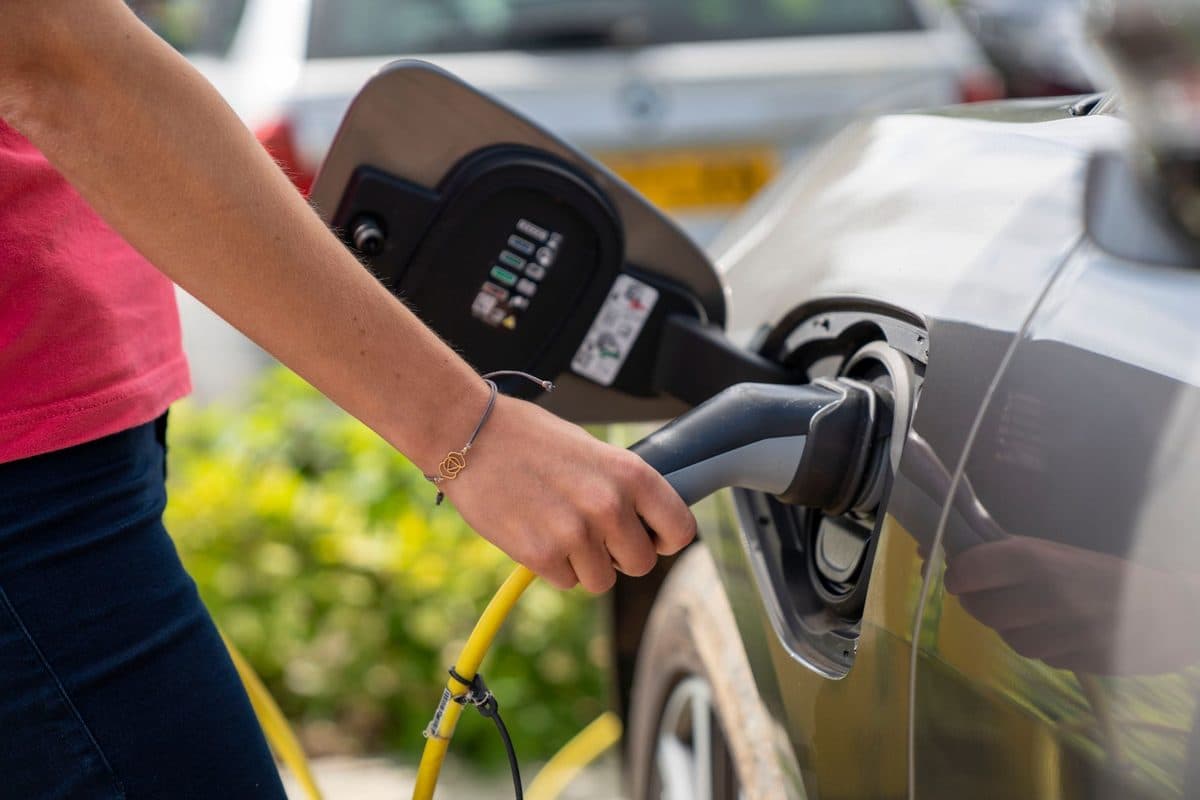
Tethered vs untethered EV charger: which do you need?
A tethered charger has its cable built in; untethered uses your own cable. For most home drivers, tethered is more convenient.
Read guide →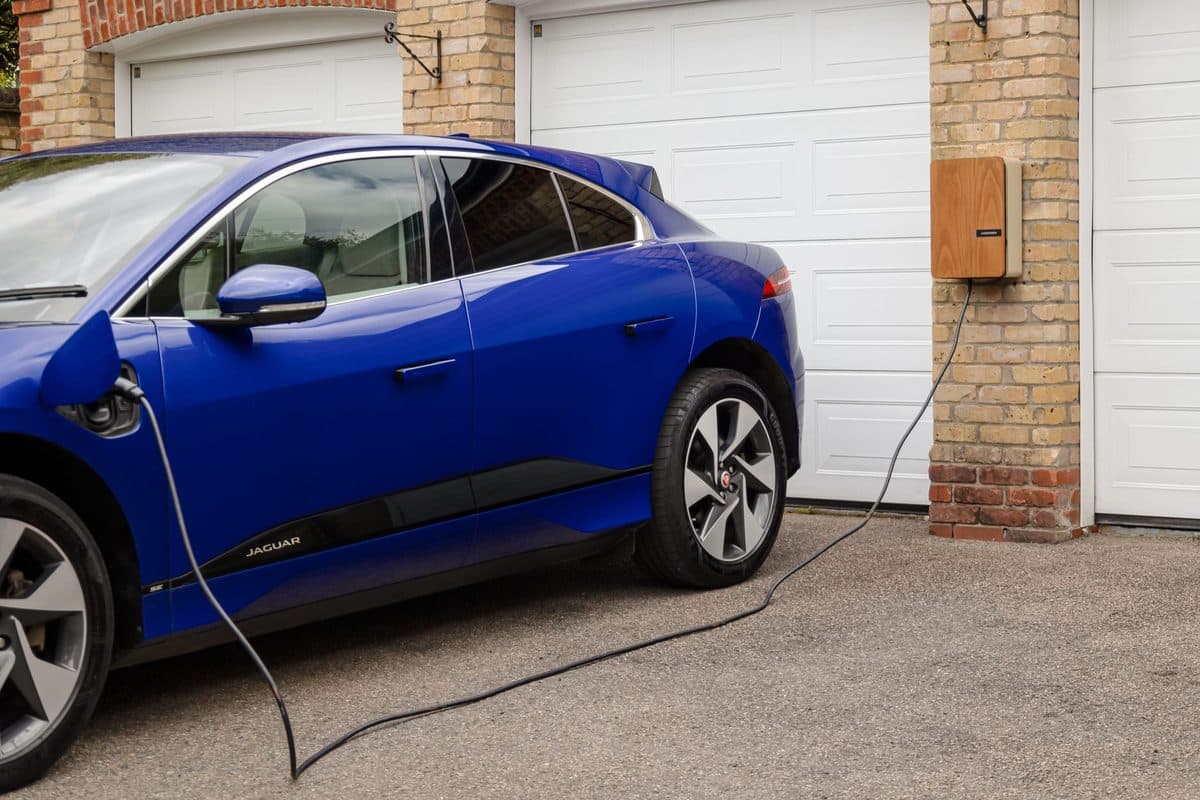
How much does it cost to charge an EV at home?
On the standard tariff (~24.5p/kWh), a full 60kWh charge costs about £14.70. On an EV overnight tariff at 7–10p/kWh, the same charge costs £4–£6.
Read guide →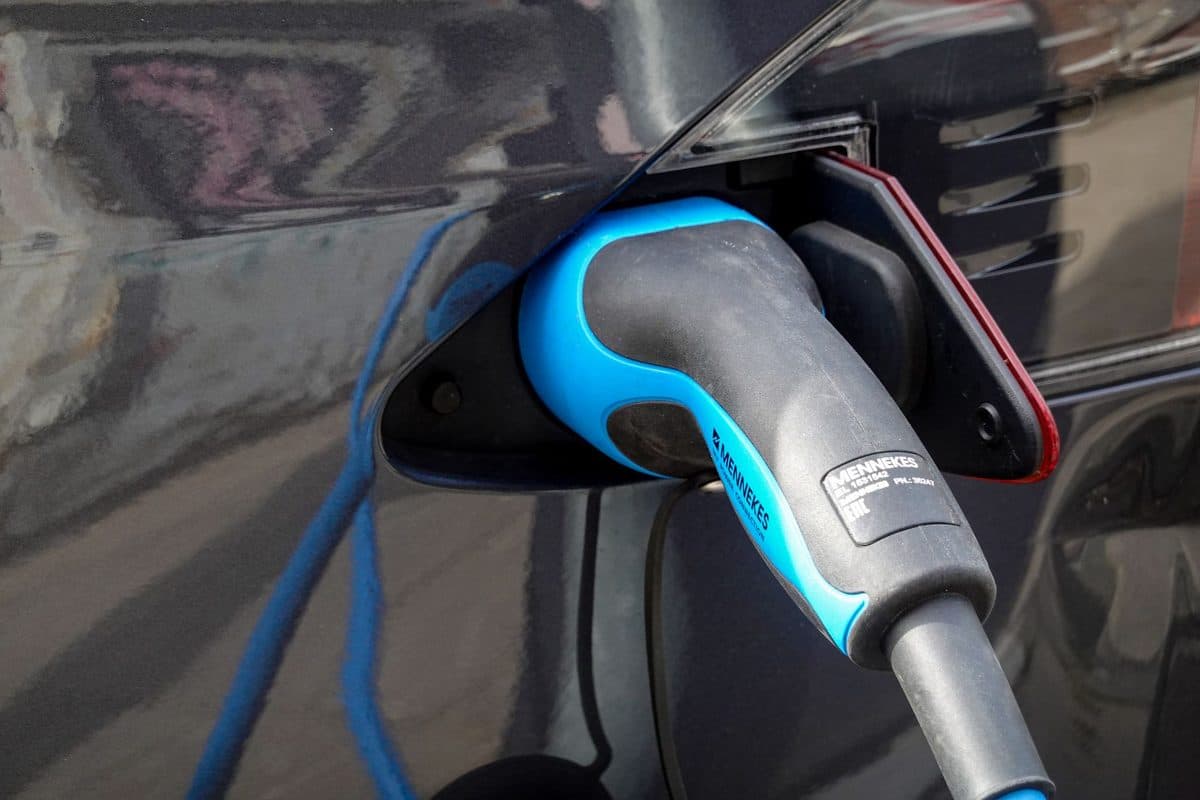
What EV charging cable do I need?
If you have a tethered charger, the cable is built in. For an untethered charger, you need a Mode 3 Type 2 cable rated 32A. Here's how to choose.
Read guide →
EV charger with solar panels: how to charge your car for less
A solar-integrated smart charger routes surplus solar generation to your car instead of exporting it. Here's how to set it up and which chargers support it.
Read guide →